
This article is part of our typical property defects series and based upon issues our surveyors regularly locate during RICS Level 2 Surveys, Level 3 Surveys and Defect Analysis Reports.
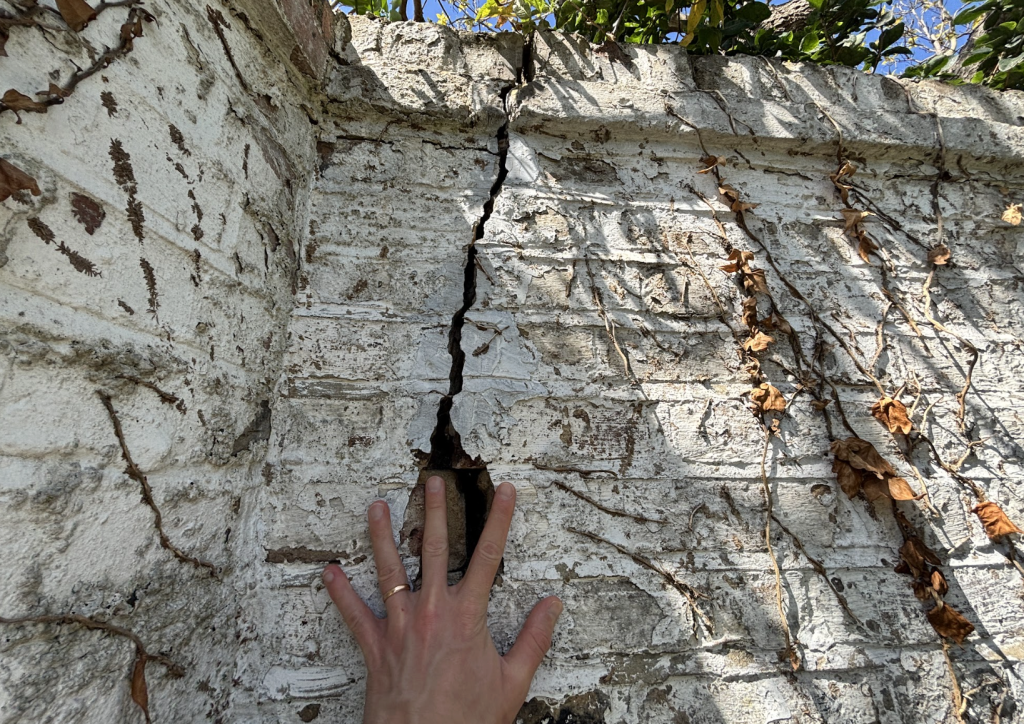
Finding cracks in a property can be worrying, especially if you are buying a home or have started to notice changes in your own property over time.
Two terms that are often mentioned when discussing cracking and movement are subsidence and heave. Both relate to movement in the ground beneath a building, but they are not the same thing.
Most importantly, not every crack means there is a serious structural problem. The key is understanding what is causing the movement and whether it needs further investigation.
What is subsidence?
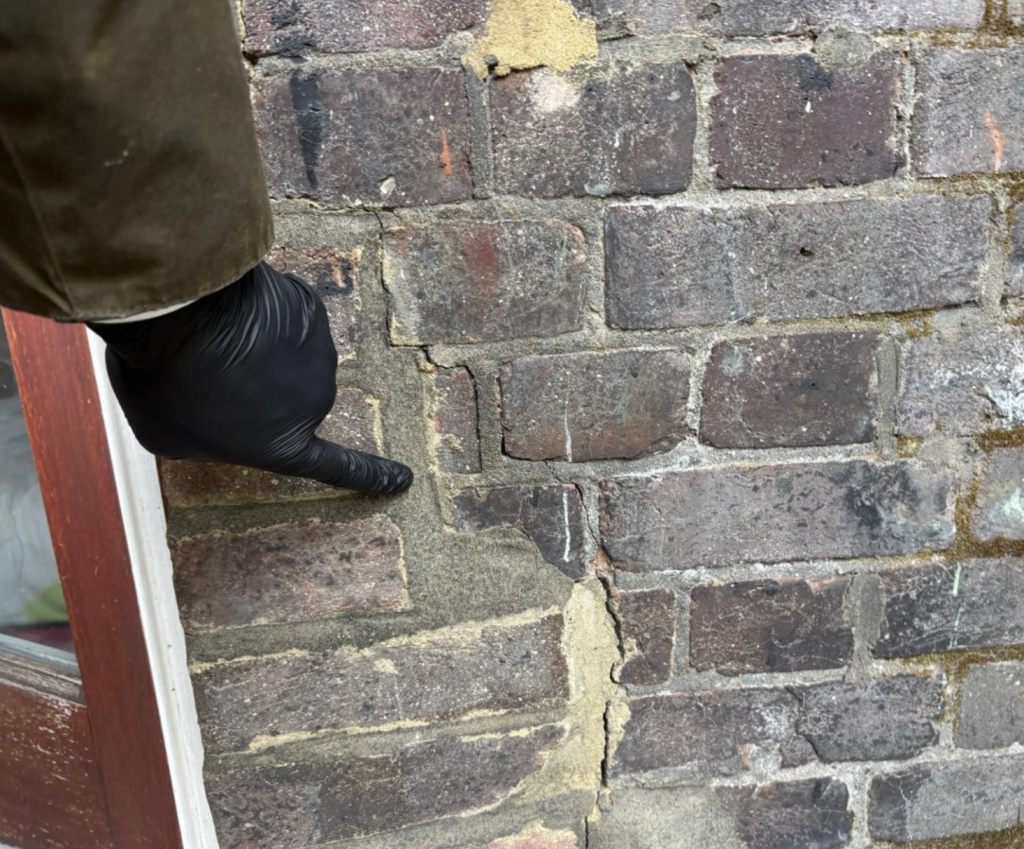
Subsidence happens when the ground beneath a property moves downwards. As the ground drops, part of the building can move with it, which may lead to cracking, distortion, or movement around doors and windows.
This can happen for several reasons, including changes in soil moisture, leaking drains, nearby trees, poor ground conditions, or previous alterations to the property.
Clay soil is a common factor. During long dry periods, clay can shrink as it loses moisture. If the soil beneath the foundations contracts, the building may lose some support, causing movement.
What is heave?
Heave is the opposite of subsidence.
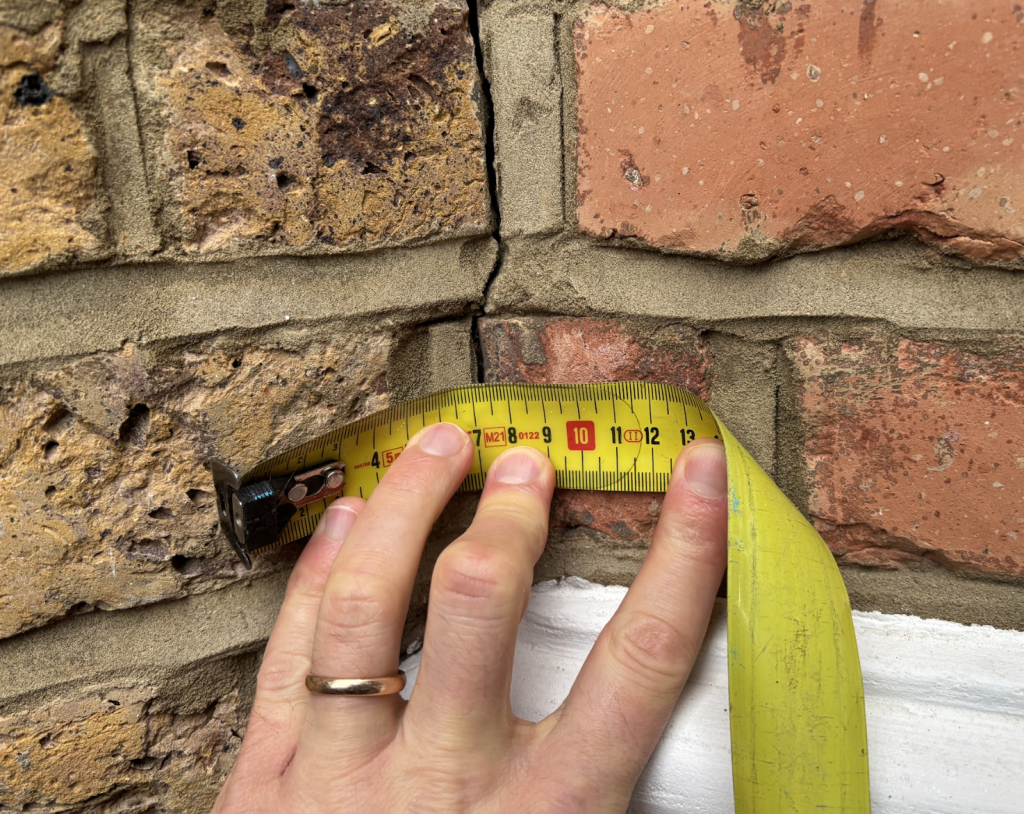
Rather than the ground moving down, heave occurs when the ground moves upwards. This can happen when clay soil becomes wetter and expands.
Heave may also occur after the removal of a mature tree. If a tree has been taking moisture from the ground for many years, removing it can allow the soil to rehydrate and swell. This can place upward pressure on the foundations.
This is why tree removal close to a property should be considered carefully, especially where the property is built on clay soil.
What signs should you look out for?
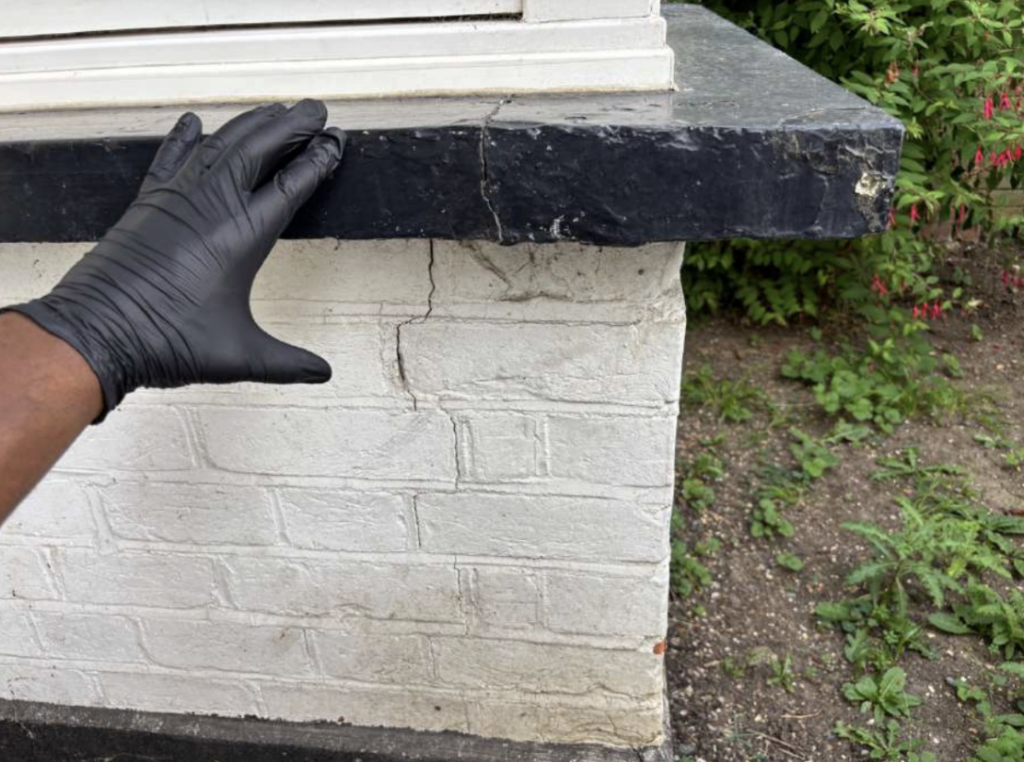
Some cracking is common in buildings and may simply be the result of age, normal movement, thermal changes, or minor settlement.
However, you should seek professional advice if you notice:
- cracks that appear suddenly;
- cracks that continue to widen;
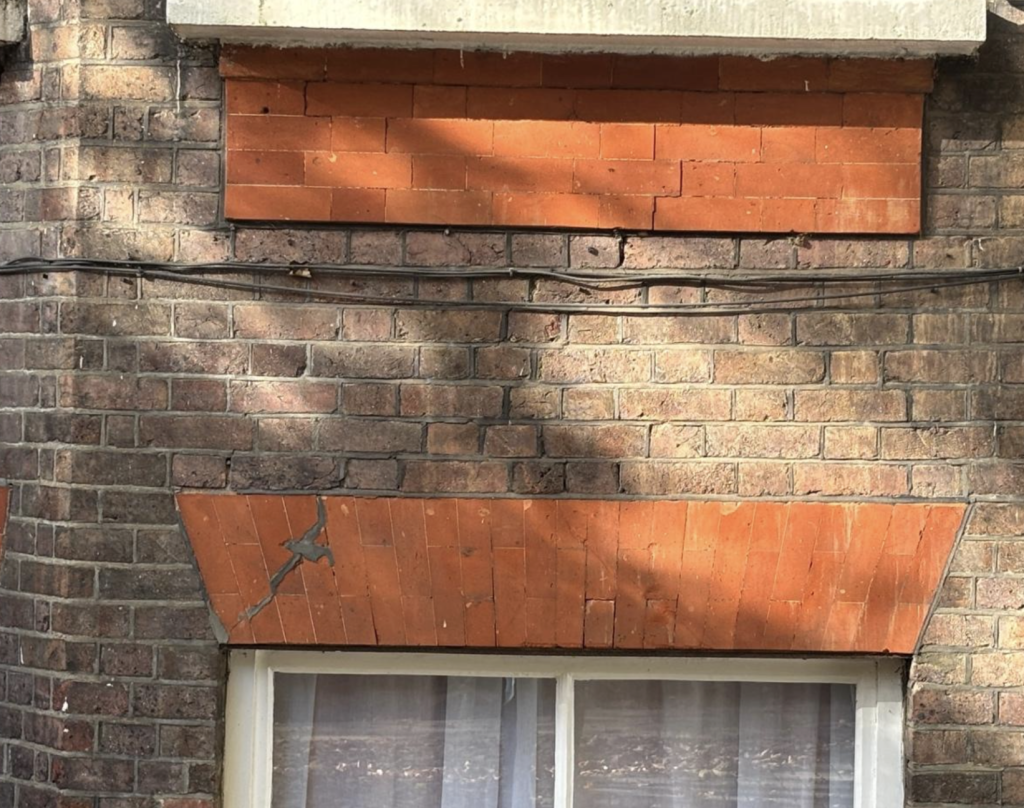
- diagonal or stepped cracks in brickwork;
- cracks around windows and doors;
- doors or windows sticking;
- gaps opening around frames or skirting boards;
- uneven or sloping floors;
- cracking where an extension joins the original property.
These signs do not automatically mean the property is suffering from subsidence or heave, but they should be properly assessed.
Should you be worried?
Not necessarily.
Many properties have some degree of cracking, and in many cases the cause is not serious. Cracks can be linked to historic movement, defective lintels, leaking gutters, poor maintenance, plaster shrinkage, or previous building works.
The concern is whether the movement is recent, ongoing, or significant.
A professional inspection can help establish whether the cracking appears minor and historic, or whether further investigation is needed.
Why professional advice matters
Subsidence and heave should not be guessed at.
A surveyor will consider the age and construction of the property, the location and pattern of cracking, nearby trees, drainage, soil conditions, previous repairs, and any signs of ongoing movement.
In some cases, further investigations may be recommended, such as drainage checks, crack monitoring, trial holes, or advice from a structural engineer or tree specialist.
The aim is to give you clear, practical guidance rather than unnecessary alarm.
Can subsidence or heave be fixed?
Yes. However, the correct solution depends on the cause.
In some cases, the answer may be relatively straightforward, such as repairing leaking drains, improving drainage, managing vegetation, or monitoring the cracks over time.
In more serious cases, structural repairs may be required. This could include crack stitching, localised rebuilding, foundation strengthening, or underpinning.
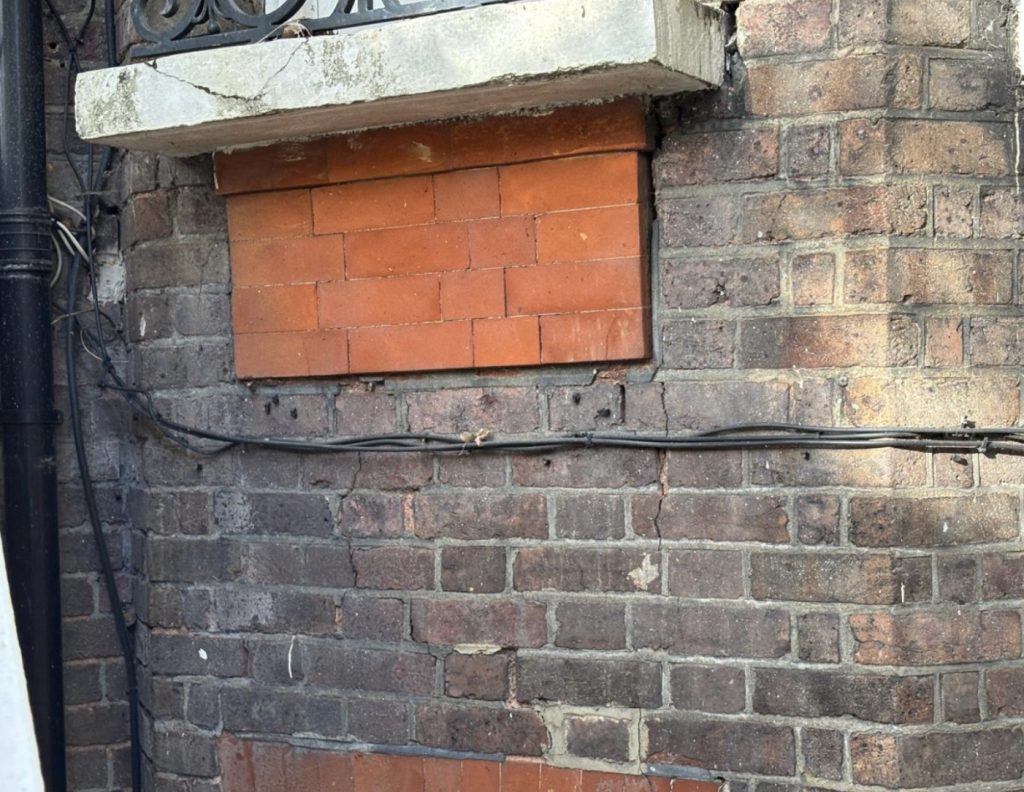
The most important step is to identify the cause first. Simply filling cracks without understanding why they appeared may only provide a temporary cosmetic repair.
Buying a property with suspected movement?
If you are buying a property and movement is identified, it does not automatically mean you should walk away.
However, you should understand the issue before committing to the purchase. You may need to know whether the movement is historic or ongoing, whether repairs have been carried out, whether there has been an insurance claim, and whether the property remains insurable.
A survey can help you make an informed decision and avoid unexpected costs after completion.
Stokemont’s advice
If you have noticed cracking, movement, or signs that something may not be quite right, it is better to seek advice early.
Early inspection can help identify the cause, reduce uncertainty, and guide you towards the right next steps. It can also help prevent minor issues from becoming more costly problems later.
At Stokemont, we explain property defects clearly and practically, so you understand what is happening, what it may mean, and what action may be needed.
Concerned about subsidence or heave?
If you are worried about cracks, movement, nearby trees, or the condition of a property you are buying, Stokemont can help.
Contact Stokemont today to arrange a property survey or defect inspection and receive clear, professional advice before minor issues become more costly to resolve.