
This article is part of our typical property defects series and based upon issues our surveyors regularly locate during RICS Level 2 Surveys, Level 3 Surveys and Defect Analysis Reports.
Damp is one of the most common concerns raised by homeowners and buyers. It can affect internal finishes, create musty odours, damage plaster and decorations, and lead to wider concerns about the condition of a property.
One remedial treatment often mentioned in relation to damp is an injection damp proof course, sometimes referred to as a chemical damp proof course or injected DPC.
While this can be an appropriate treatment in some circumstances, it is important to understand what it does, when it may be needed, and why damp should always be properly diagnosed before works are carried out.
What is an injection damp proof course?
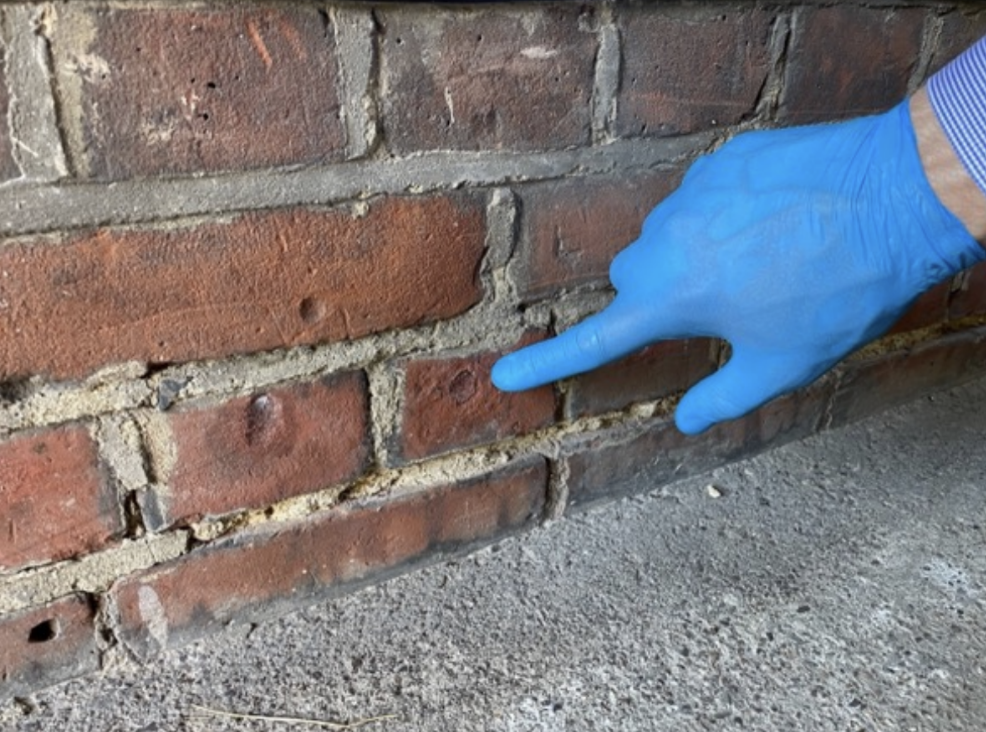
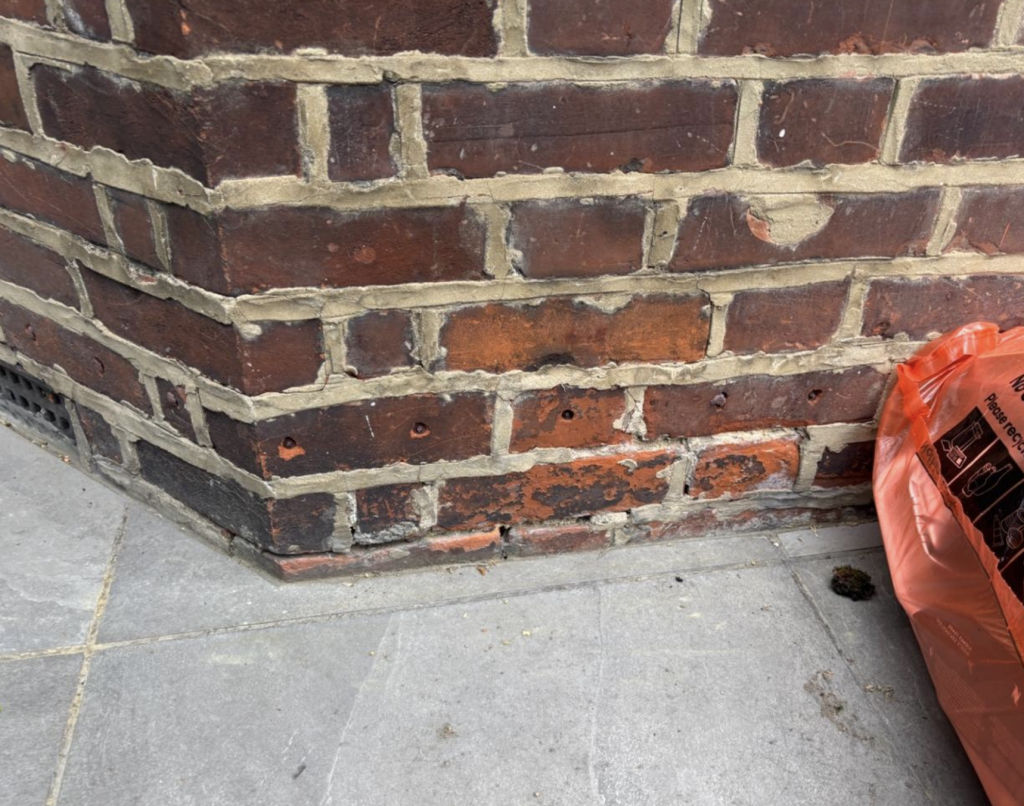
An injection damp proof course is a remedial treatment designed to reduce the upward movement of moisture through walls.
The process usually involves drilling a series of holes into the affected wall and injecting a chemical cream or fluid into the masonry. The product is intended to form a water-resistant barrier within the wall, helping to prevent moisture rising from the ground.
Injection damp proof courses are commonly used where an original damp proof course is missing, defective, bridged or no longer performing effectively.
What is rising damp?
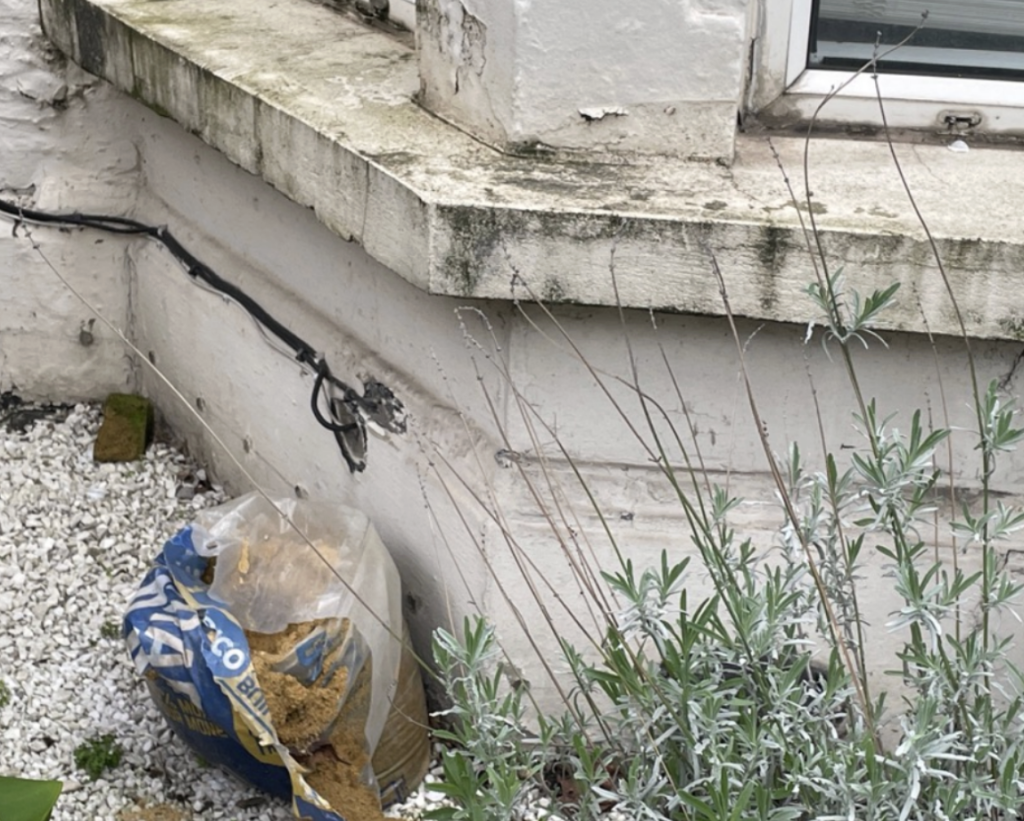
Rising damp occurs when moisture from the ground travels upward through porous building materials such as brick, stone or mortar.
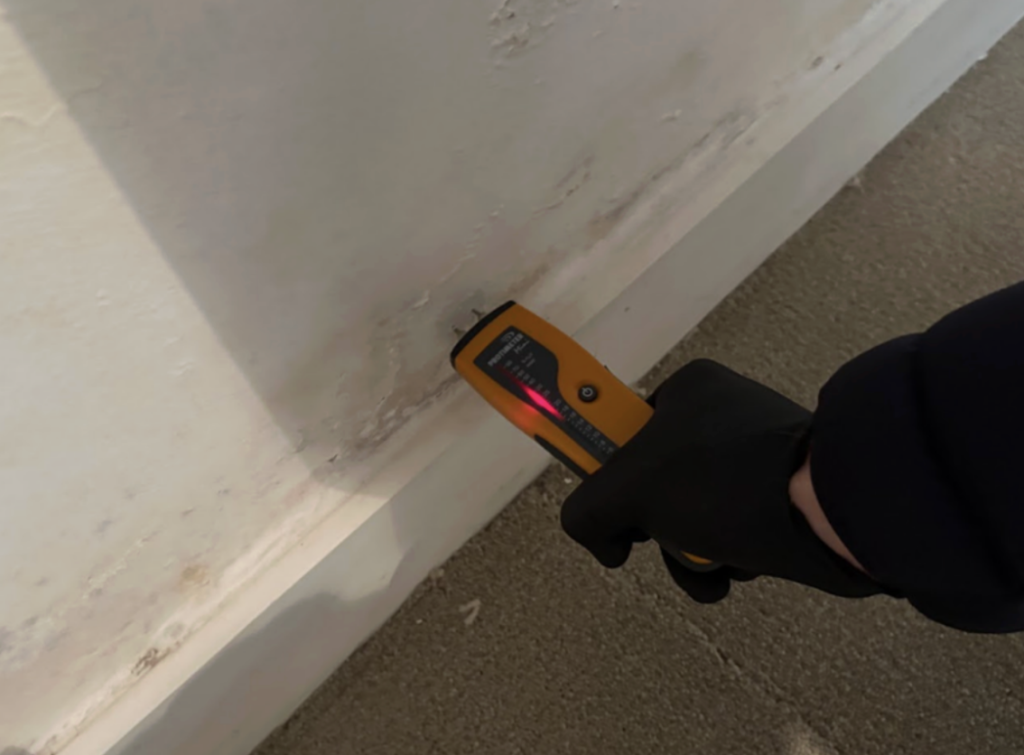
This movement happens through capillary action, where moisture is drawn up through small pores in the masonry. It is usually most noticeable at low level and may appear as damp staining, damaged plaster, flaking paint, salt deposits or decayed skirting boards.
However, rising damp is often misdiagnosed. Similar symptoms can be caused by other issues, including condensation, penetrating damp, leaking gutters, defective ground levels, bridged cavities, plumbing leaks or poor ventilation.
For this reason, it is important that the cause of damp is properly investigated before an injection damp proof course is recommended.
When might an injection damp proof course be required?
An injection damp proof course may be appropriate where there is evidence that moisture is rising from the ground and the existing damp proof course is absent, defective or has been bridged.
Common situations can include:
- older properties built without a physical damp proof course;
- properties where the original damp proof course has failed or become ineffective;
- external ground levels that have been raised above the damp proof course;
- internal floor levels or plaster that bridge the damp proof course;
- walls affected by long-term moisture and hygroscopic salts;
- previous alterations that have compromised the original damp protection.
Before treatment is recommended, the property should be carefully inspected to understand the likely source of moisture.
Why proper diagnosis matters
An injection damp proof course should not be viewed as a general solution for all damp problems.
If the dampness is being caused by another defect, such as leaking rainwater goods, defective pointing, high external ground levels, condensation or a plumbing leak, then an injected DPC may not resolve the issue.
In some cases, carrying out chemical damp proofing without addressing the true cause can lead to unnecessary cost and continued damp symptoms.
A proper assessment should consider the age and construction of the property, external ground levels, ventilation, rainwater goods, plumbing, internal finishes, floor construction and any previous damp treatment.
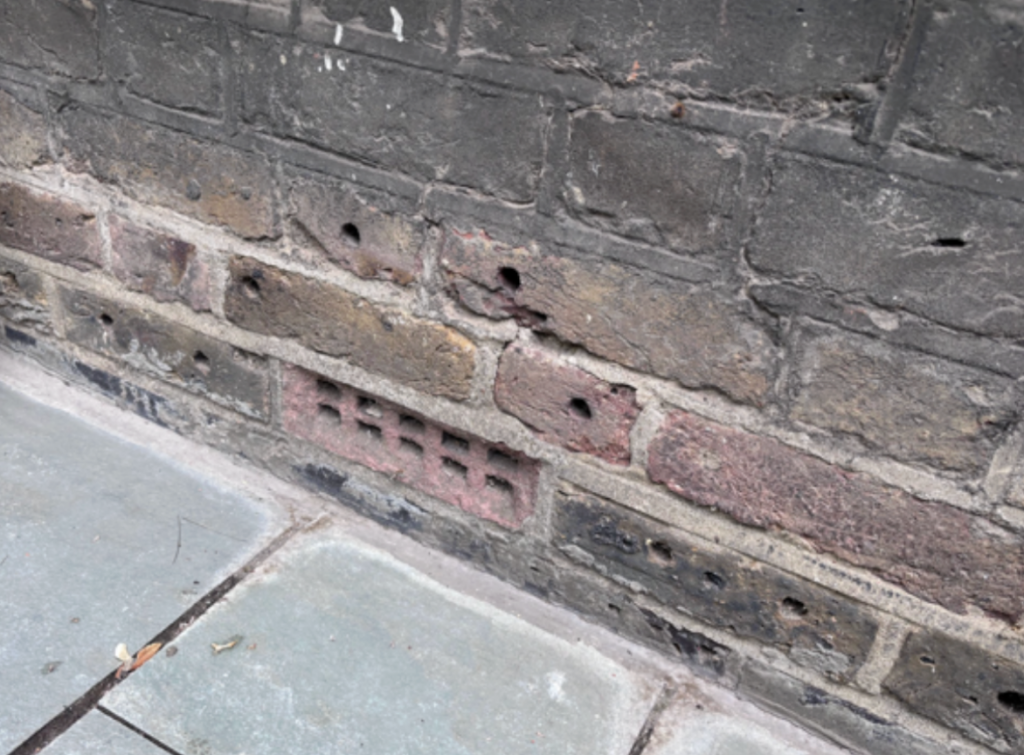
What does the treatment involve?
The exact method will depend on the property and the contractor’s specification, but an injection damp proof course will usually involve:
- removing skirting boards or finishes where required;
- drilling holes into the wall at regular intervals;
- injecting a chemical cream or fluid into the masonry;
- allowing the product to disperse within the wall;
- removing salt-contaminated plaster where necessary;
- replastering with a suitable specification;
- allowing the wall to dry over time.
The treatment itself is only part of the process. In many cases, internal plaster may also need to be removed and replaced because salts within the wall can continue to attract moisture and damage finishes.
Does an injection damp proof course work immediately?
No. Even after treatment, walls can take a considerable time to dry.
The drying period will depend on the thickness of the wall, the level of moisture present, ventilation, heating, the type of construction and whether contaminated plaster has been removed.
It is also important to understand that an injection damp proof course does not repair decorative damage immediately. Redecoration should usually be delayed until the wall has had time to dry and any replastering has cured properly.
Are there limitations?
Yes. Injection damp proof courses have limitations and are not suitable for every property or every type of damp problem.
They may be less effective where walls are very thick, rubble-filled, heavily contaminated, poorly maintained or constructed from certain materials. They may also fail to address damp if the issue is caused by bridging, penetrating damp, condensation or external defects.
In older and traditionally built properties, care is also needed to avoid inappropriate treatment. Some older buildings rely on breathable materials and natural moisture movement. Using the wrong treatment or plaster system can sometimes make damp problems worse.
What should buyers consider?
If damp has been identified during a survey, buyers should not automatically assume that an injection damp proof course is required.
The first step should be to understand the likely cause of the dampness. If a damp proofing contractor has recommended treatment, buyers should consider whether the diagnosis is supported by the wider condition of the property.
Where works are required, buyers should also consider the full cost. This may include the injection treatment, plaster removal, replastering, joinery repairs, redecoration and any associated works to external ground levels, rainwater goods or ventilation.
It is also sensible to check whether any previous damp proofing works have been carried out and whether guarantees are available. However, guarantees should not be relied upon without understanding what they cover, who provided them and whether the original contractor or insurer remains valid.
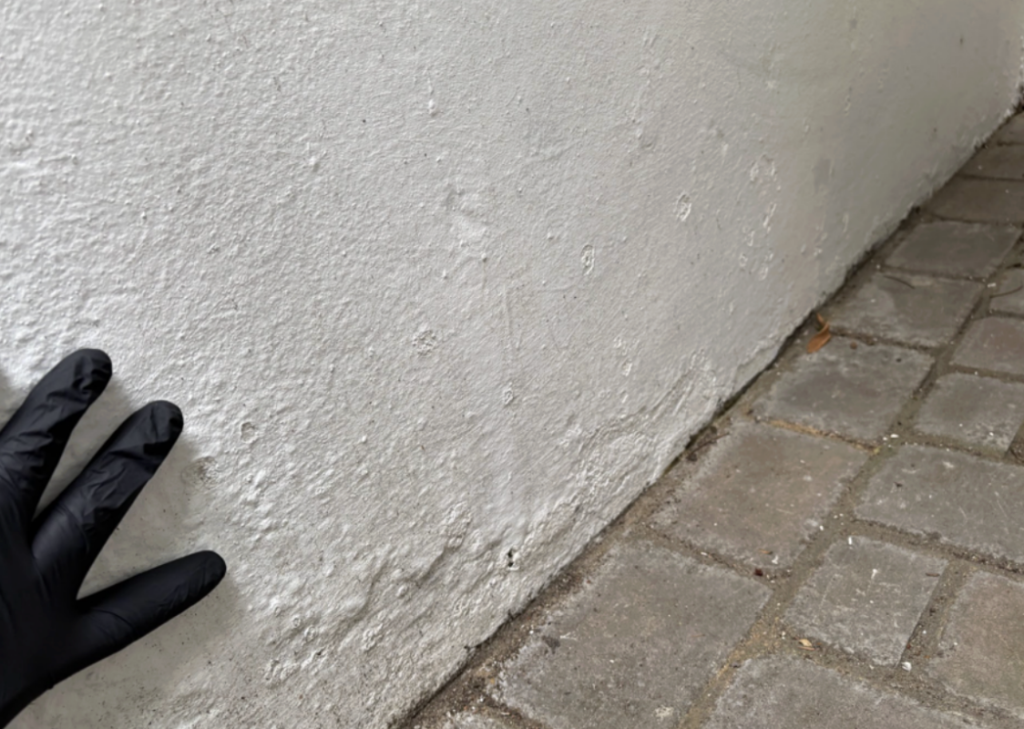
Can rising damp be prevented?
Some damp issues can be reduced or avoided through good maintenance and sensible alterations.
Helpful measures include:
- keeping external ground levels below the damp proof course;
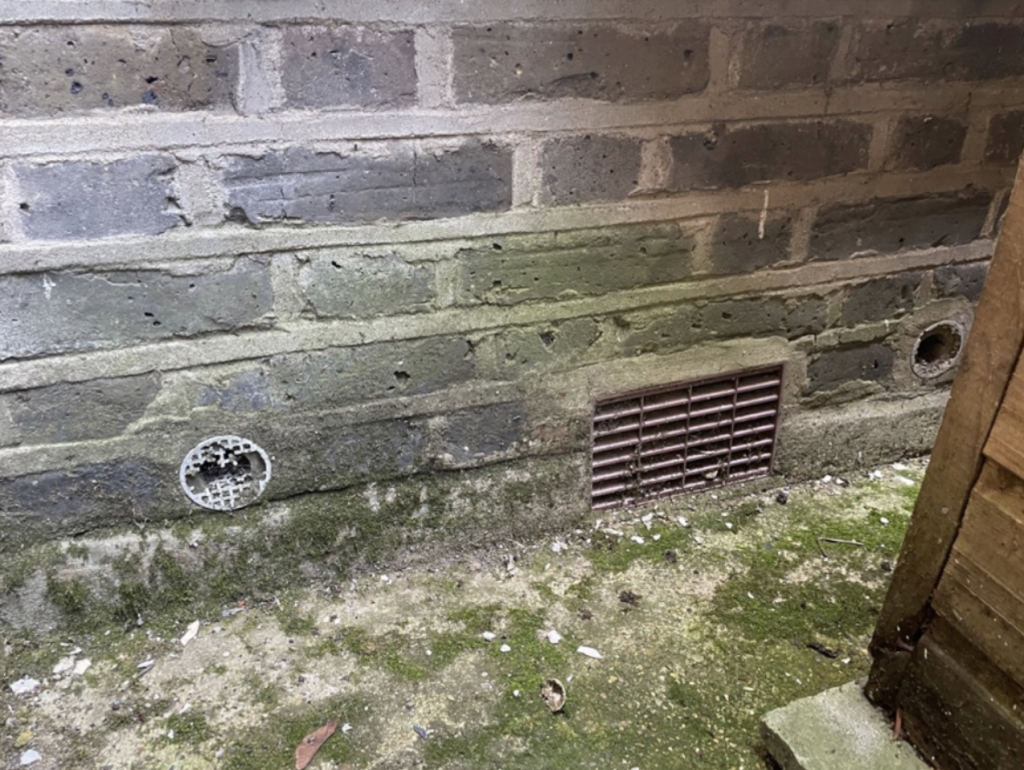
- ensuring air bricks are clear and functioning;
- maintaining gutters, downpipes and drainage;
- repairing defective pointing or render;
- avoiding hard cement-based finishes on older walls where inappropriate;
- improving ventilation where condensation is a factor;
- checking that internal plaster or floor finishes are not bridging the damp proof course;
- addressing leaks promptly.
Good maintenance is often just as important as specialist treatment.
Stokemont’s advice
If damp is noted within a property, it should be properly investigated before remedial works are agreed.
An injection damp proof course can be an appropriate treatment where rising damp is correctly diagnosed, but it should not be used as a blanket solution for all damp-related defects. The key is to identify the source of moisture and address any underlying building defects first.
At Stokemont, we provide clear, practical advice to help homeowners and buyers understand what is causing damp, what it may mean, and what further action may be required.
Concerned about damp?
If you are buying a property, selling a property, or concerned about damp within your home, Stokemont can help.
Our surveyors can inspect the property, identify likely causes of dampness and provide practical guidance on the next steps.
Contact Stokemont today to arrange a property survey or defect inspection and receive clear, professional advice before minor issues become more costly to resolve.