Garden walls can often raise questions about ownership and responsibility, particularly when they sit between two neighbouring properties. It is not always clear whether a garden wall is legally classed as a party wall, or what rules apply when work is planned nearby.
This uncertainty commonly arises when property owners want to carry out changes, maintain an existing wall, or simply confirm where responsibilities lie. Understanding whether a garden wall falls under party wall legislation can help avoid misunderstandings and disputes with neighbouring owners.
We’ll walk you through the difference between party walls and party fence walls, how ownership is assessed, and what to consider before altering or removing a shared garden wall.
What Is a Party Wall?
A party wall is a wall that separates two internal parts of different properties and is shared by adjoining owners. This applies to walls between semi-detached or terraced houses, where the wall forms part of both buildings.
The Party Wall etc. Act 1996 sets out the rights and responsibilities of property owners when work is carried out on shared structures. This includes alterations such as cutting into the wall, raising or lowering its height, or carrying out repairs that may affect the neighbouring property.
Because party walls are shared, any works that impact them usually require formal notice to be served on the adjoining owner. As experienced party wall surveyors, Stokemont regularly supports clients through this process, helping them take the correct steps early and reduce delays once work begins.
What Is a Party Fence Wall?
A party fence wall is a wall that isn’t part of a building and is used to separate land between two neighbouring properties. This often includes garden or boundary walls located along a shared boundary.
A garden wall may be classed as a party fence wall where it sits on the boundary line and was built to serve both properties, rather than being constructed solely for one owner.
Understanding whether a wall is a party fence wall is important, as these structures can still fall within the Party Wall etc. Act 1996, meaning certain works may require formal notice and agreement.
Is a Garden Wall Automatically a Party Fence Wall?
A garden wall isn’t automatically classed as a party fence wall. It’s not just the location of the wall, but also when it was built, and its construction.
Several factors need to be considered, including:
- The age of the properties.
- When the wall was built.
- Whether it appears to have been constructed by one owner only or as part of the original development.
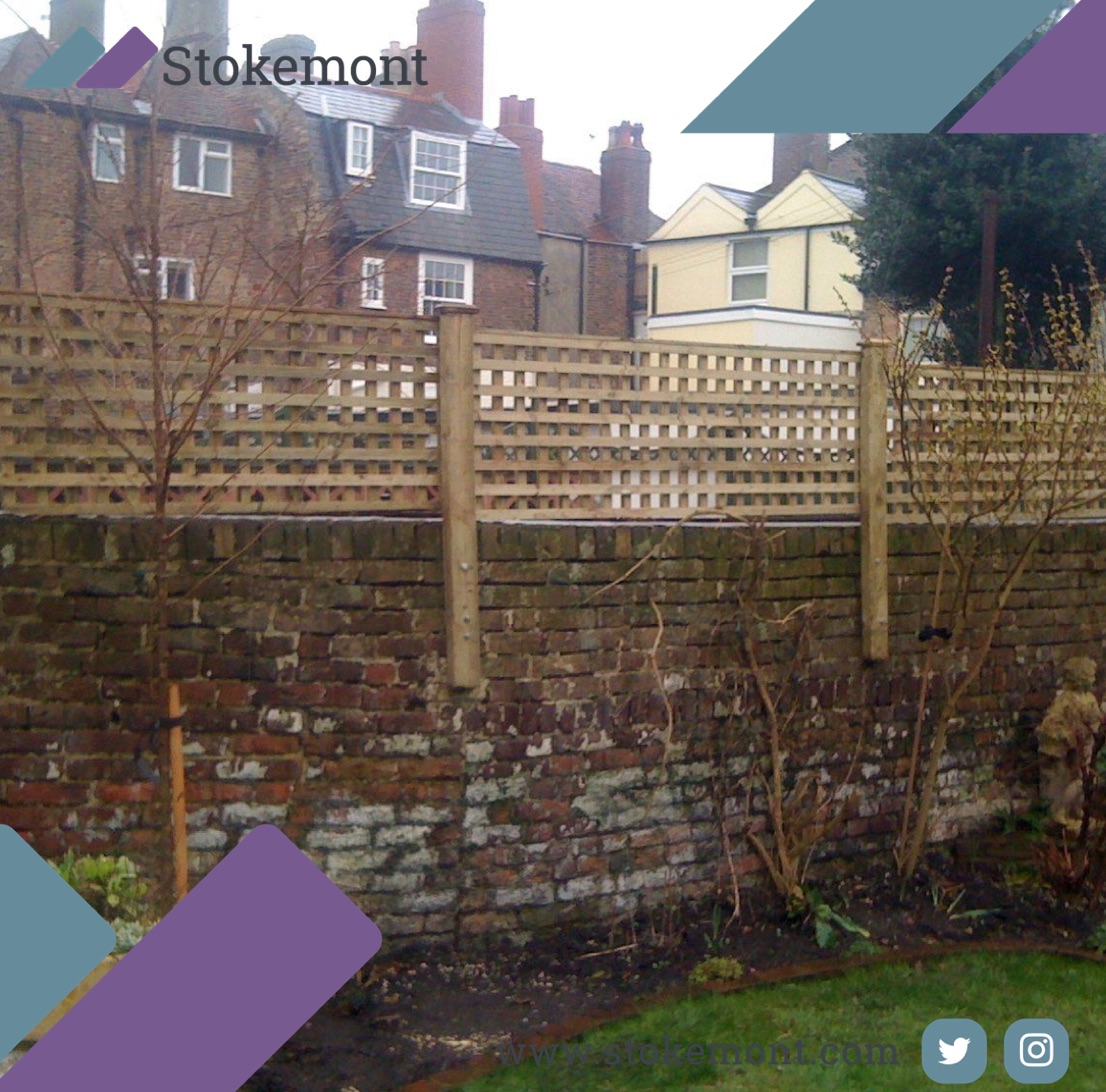
- The presence and positioning of piers or posts along the wall.
Many properties in London date back to the early 1900s or 1930s. Over the years, boundaries and garden layouts often change as owners carry out improvements. This can make it unclear whether a garden wall was originally shared or built for one property, even when it appears to sit close to a boundary.
If there is any uncertainty around a garden wall, get advice from our Stokemont team.
How Is Garden Wall Ownership Determined?
The status of a garden wall is confirmed through professional assessment. A boundary surveyor can establish ownership by reviewing:
- Title plans and deeds.
- Physical construction details.
- The historical layout of the properties.
Experienced party wall surveyors can also confirm whether a garden wall is likely to be a party fence wall based on inspection and documentation.
For advice tailored to your property, get in touch with our expert team, and we’ll be happy to help.
Can You Demolish a Shared Garden Wall?
A garden wall classed as a party fence wall cannot be demolished without your neighbour’s consent. Shared walls are protected under the Party Wall etc. Act 1996, which sets out the steps that must be followed when works affect a structure used by more than one property.
This usually involves serving a Party Wall Notice on the adjoining owner. Where consent isn’t given, a surveyor should be appointed to review the proposed works. At times, a formal Party Wall Award will be needed, setting out how and when the demolition can take place. Following the correct steps helps keep everything clear and manageable.
The Process of Demolishing a Shared Garden Wall
Demolishing a shared garden wall will depend on the wall’s status. The first step is assessing and confirming whether the wall is classed as a party fence wall, as this determines whether the Party Wall etc. Act 1996 applies.
At Stokemont, we support clients through each stage of the process and aim to make it as stress-free as possible. This involves serving a Party Wall Notice on the adjoining owner and, where consent can’t be reached, appointing surveyors to review the proposed works.
The method and timing of demolition are then agreed, providing a clear framework for how the works will be carried out.
Costs of Demolishing a Shared Garden Wall
The cost of demolishing a shared garden wall will depend on several factors, including the size of the wall, its construction, and whether it’s classed as a party fence wall.
Simple demolition works can start from £500. More complex cases, particularly where surveyors are involved or where agreement between neighbours takes longer to reach, can exceed £1,000.
It’s important to note that surveyor fees and any costs linked to party wall procedures are separate from the construction work. These additional costs can vary depending on the level of involvement required and the complexity of the situation.
If you’d like a clearer understanding of the costs and what the next steps may look like, request a quote.
Legal Requirements for Moving a Boundary Fence
Moving a boundary fence or wall requires careful consideration as it can affect neighbouring property rights. When a fence or wall sits on or close to the boundary line, you’ll usually need your neighbour’s consent before carrying out any work.
The proposed works may fall under party wall legislation where a shared or boundary structure is involved. A Party Wall Notice is then needed, even for minor changes.
Taking the time to understand where the boundary sits and what rules apply can help you move forward with confidence and avoid complications later on. Our team at Stokemont can support you through the process and set out what to expect.
Garden Wall and Party Wall FAQs
Does the Party Wall Act apply to garden walls?
Yes. When a garden wall is classed as a party fence wall and sits on the boundary between two properties, work on the wall may fall under party wall rules. The location of the wall and how it was built will affect what applies.
Can I rebuild a shared garden wall?
Yes, but you’ll usually need your neighbour’s agreement first. When a garden wall is shared or sits on the boundary, rebuilding it falls under party wall legislation. A formal process may be needed before work starts, depending on the wall’s position and how it’s classified.
How do I know if my garden wall is shared?
A garden wall may be shared when it sits on the boundary between two properties and appears to serve both sides. However, this isn’t always clear from appearance alone.
Ownership is usually confirmed by looking at title plans, construction details, and how the wall was originally built.tails, and how the wall was originally built.